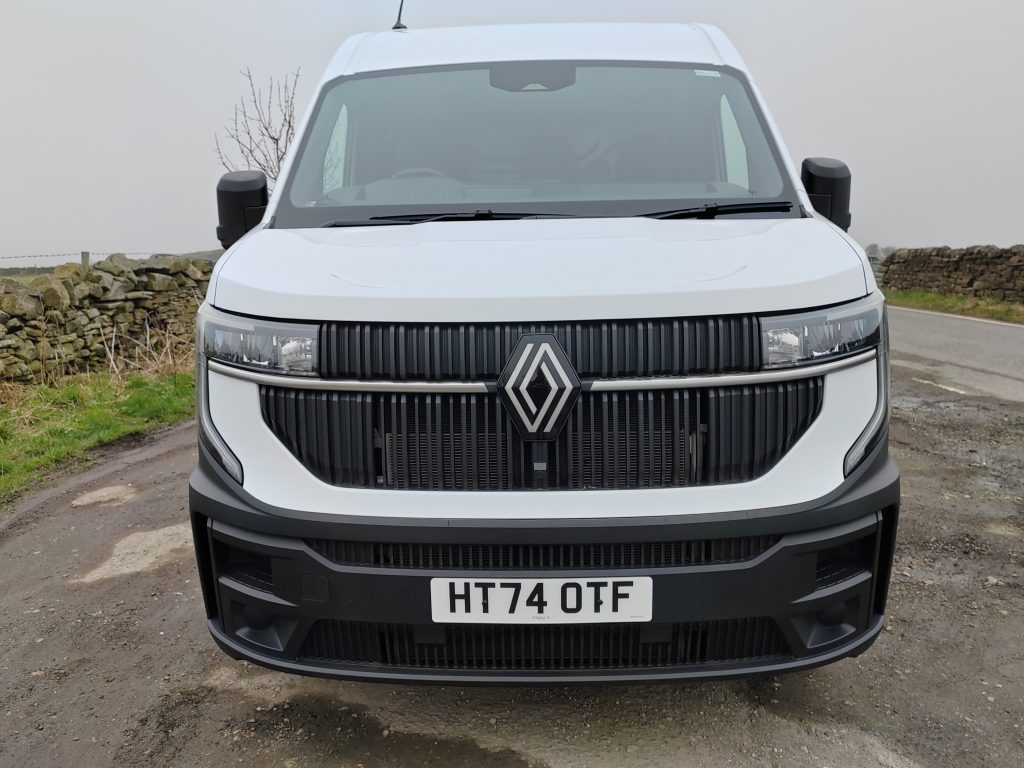
Renault Master ICE Review
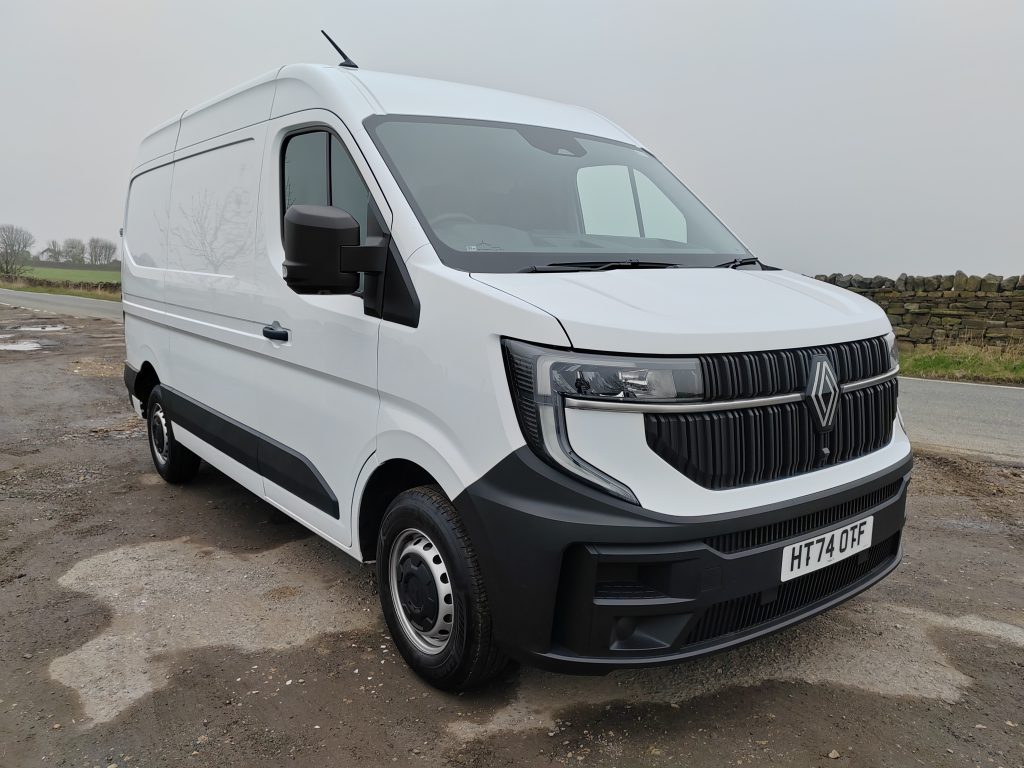
If I’m quite honest, over the majority of my 40 year career in the van industry, the Renault Master has been, well, just ‘average’. Never one to trouble the Ford Transit and Mercedes-Benz Sprinter at the pinnacle of the large van sector, it was just there, consistently doing the job of a workhorse but not a van most would aspire to owning. A tool to do a job in an unspectacular fashion, it was definitely middle of the road in most aspects.
Wind the clock to the present day and Renault has done what some other manufacturers have aspired to do for years. It has, by recognising what customers want and adopting product and strategy to suit across both the LCV and car sectors changed perception of the brand in spectacular fashion. Check out the winners lists in recent commercial and car award events. You’ll likely find Renault right up there, if not at the top. Award judges (and I’ve been one for many years) are tough nuts to crack, and the French company has swayed many with impressive products, not just those on sale now, but ones that have been showcased prior to future launches.
So, to the Master. I reviewed the all-electric Master E-Tech in early 2025 just after launch and was mightily impressed. But, for a multitude of reasons, many SME’s in particular are unable or unwilling to make the move to a zero-emission van, so, the team at Renault lent me a diesel Master for a week so I could see how the conventionally powered van fared.
The Exterior
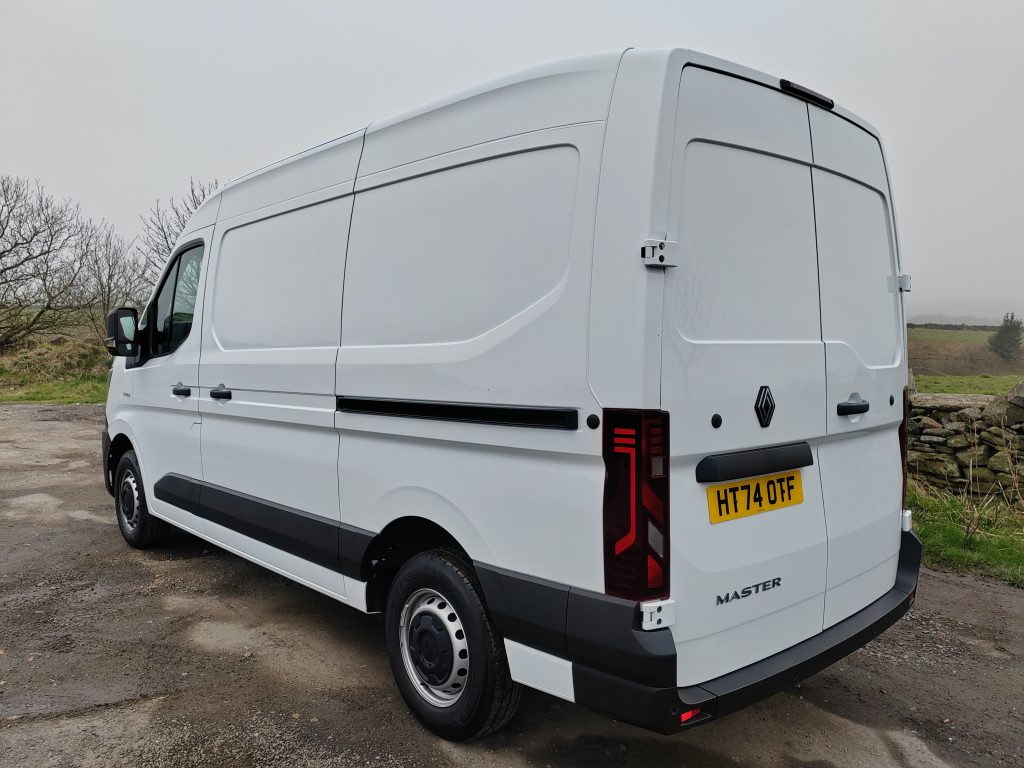
Van designers, especially those tasked with creating a larger van are limited in what they can do. How do you make a metal box a) stand out from the rest, and b) more efficient? Renault has certainly made the Master look good from the front with its distinctive grille and pin-sharp C-shaped LED daytime running lights. Is it a head turner? Possibly not but, how many large vans are? Safe to say though that it has an impressive appearance and it’s at least up there with the competition.
That efficiency? Renault has worked hard to improve aerodynamics on this van. Door mirrors have been created with this aspect in mind, and, compared to the previous Master the roof line is lower, the bonnet higher and the angle of the windscreen is steeper. In a clever move, the rear of the roof tapers slightly, allowing for more efficient airflow, but with no impact on door aperture or loading height.
Engines and Transmissions
You’ve a choice of three power outputs from the same 2.0 litre diesel engine, 130hp, 150hp and 170hp. A 6-speed manual gearbox is standard, and the two higher powered versions can be specified with a newly introduced 9-speed automatic unit. I briefly drove a Master with this auto box at an event in Paris and, it was very impressive.
The 130hp unit is likely to be the most popular option, especially for fleets and with 350Nm of torque, a metric particularly important to van drivers, it’ll make light work of urban driving with a full load on board.
Weights and Measures
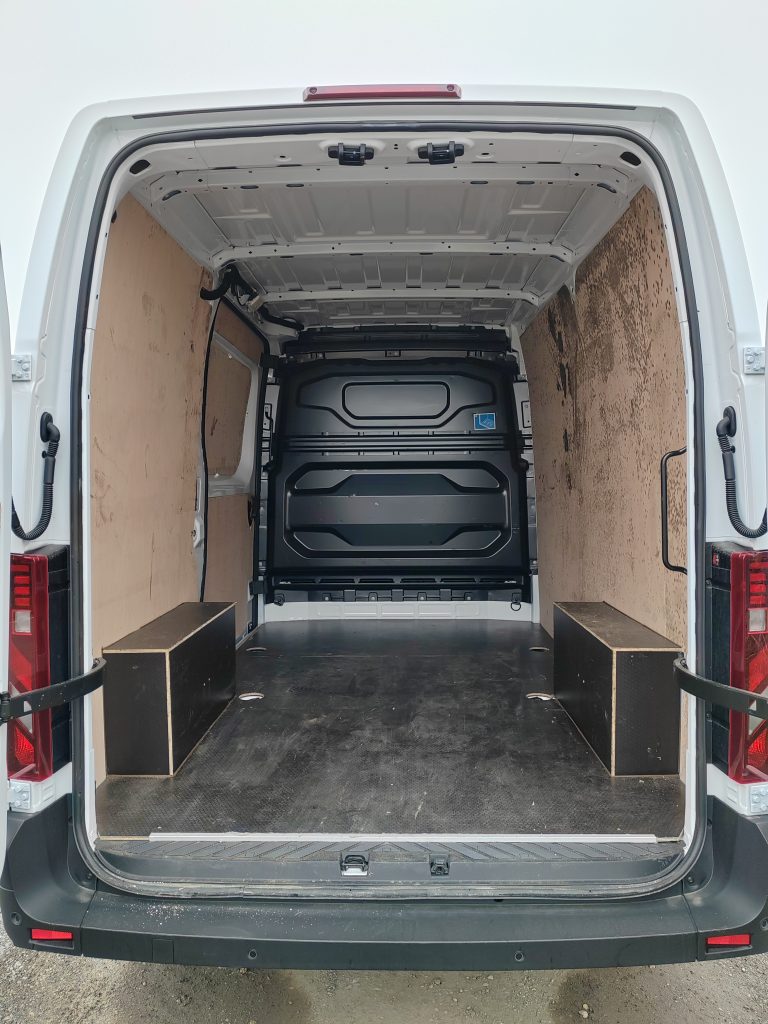
Unlike some of the competition, the Master is offered in a pretty concise number of variants. There’s just two body lengths, the medium wheelbase model comes with a medium roof height, whereas the long version can be sourced with a medium or high roof. Internal lengths are 3225mm and 3855mm respectively, with internal heights of 1885mm and 2138mm. This translates to load volumes of 10.8cu/m to 14.8cu/m.
Payloads range from 1200kg to 1306kg, and the Master can tow 2500kg. Standard door arrangement is twin rear and single side doors. In the loadspace you’ll find the usual lashing points in the floor and at the bottom of the steel bulkhead.
Trim Levels
There are just two, Advance and Extra. Advance comes with a 10” centrally mounted touchscreen with Apple CarPlay and Android Auto, and the now to be expected manual air conditioning is present and correct. Apart from all the (now mandatory) ADAS equipment that every new van comes with, there’s little else to shout about but, to be fair, not much else is necessary. It’s unlikely many will pay the supplement to move up to the Extra trimline, all you get is navigation (not really necessary these days) LED load area lighting which should be standard on all vans, and front fog lights. A major omission is a reverse camera, but, you do get rear sensors, even on the Advance.
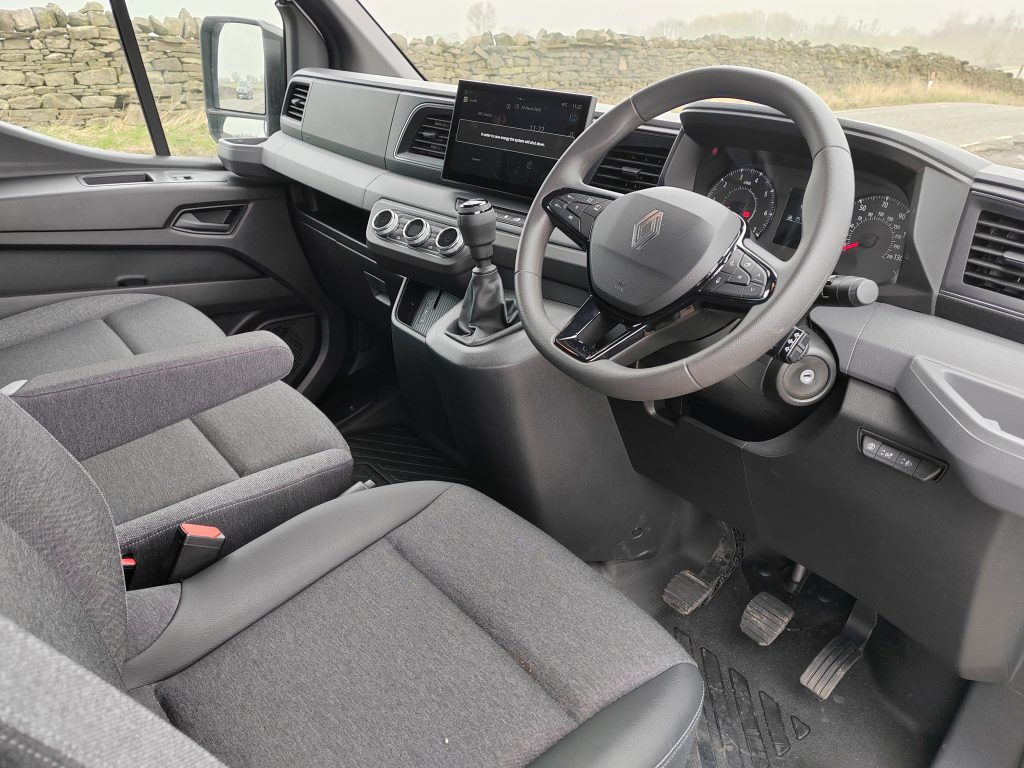
The cab environment.
In some large vans, the cab can feel almost too big. Not the case with the Master where the size is just right. Even with three adults on board there was no sense of claustrophobia, although there’s the usual proximity issue of the gear lever and the middle passengers leg. The dash is well designed with a very clear (but analogue) instrument panel for the driver. The multimedia unit is reasonably easy to operate but the driver efficiency Eco score section on the home screen basically took over my life (quite proud of my 91/100 best though).
Full marks to Renault for not incorporating heating and ventilation controls into the screen, the driver being blessed with chunky and simple mechanical controls which can be adjusted instantly, and safely. There’s a manual handbrake, and a column mounted stalk to quickly adjust audio settings.
There’s plenty of storage, from a modestly sized glovebox to trays on top of the dash and various other orifices, including a handy phone rest (without wireless charging). Door bins are not the biggest, but, will prove more than adequate for most.
On The Road
These days it’s quite novel to have to put an actual key into an actual slot but, at least it makes the Master resistant to key code hack thefts. The driving position is perfect, my initial problem with an ache in my right foot was solved with a seat height adjustment. Visibility is fabulous from the large windows with little intrusion from the A-post. The test van was fitted with the 130hp engine and this proved more than adequate, even with a load on in my hilly part of the world. I don’t see much argument to opt for (and pay a premium for) the more powerful engines unless you fancy that auto box (which I’d seriously consider).
A big surprise awaits the driver the first time they have to do some tight manoeuvring. The turning circle is incredibly small for a large van, a London cabbie would feel right at home. This is an aspect that those who drive a van all day in urban environments will really appreciate. Noise levels have been suppressed so much so that even after a long drive, the driver is unlikely to feel overly jaded. The engine noise in particular hardly intrudes into the cab at all. The ride? I didn’t notice it which says everything, even unladen. But like any large van, taking a speed bump too quickly will have you feeling like your head is about to hit the roof… I found the brakes a little sharp on application – this is something a regular driver will no doubt get used to and compensate for but, it made myself and passengers jump on occasion.
Running Costs
I achieved an average of around 36mpg according to the trip computer which seems very reasonable, and probably helped by those aerodynamic touches in the design. Service intervals are 2 years / 24,000 miles, and the warranty is 3 years / 100,000 miles, a period that is starting to look uncompetitive with other manufacturers such as Toyota and brands from the far east offering much longer periods.
Conclusion
What’s not to like? What does the Master do badly compared to the competition? What does the competition do better? Virtually nothing. And this is precisely why the van continues to scoop industry awards. It continues the legacy of being a great workhorse but a huge amount of work has gone into the design of this van. From aerodynamic styling to that ridiculous turning circle and that excellent visibility from the cab, the van has been created with the driver in mind, but, also with a focus on productivity.
Yes, I’d buy one like a shot.