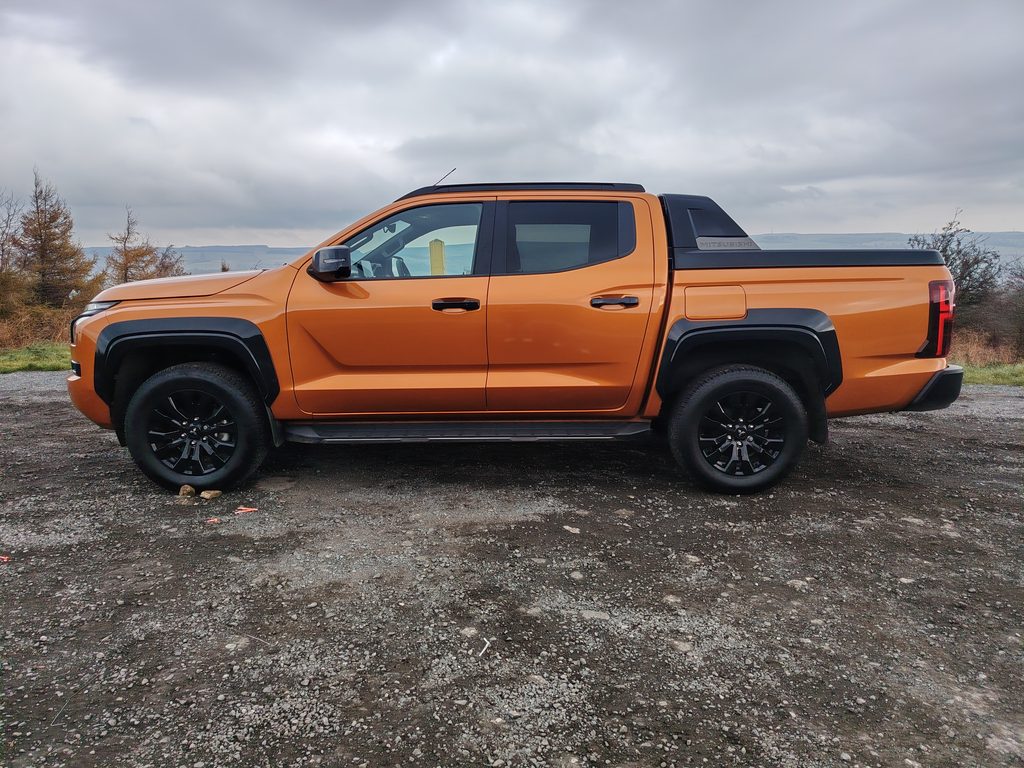
Mitsubishi L200 (2026MY) Review
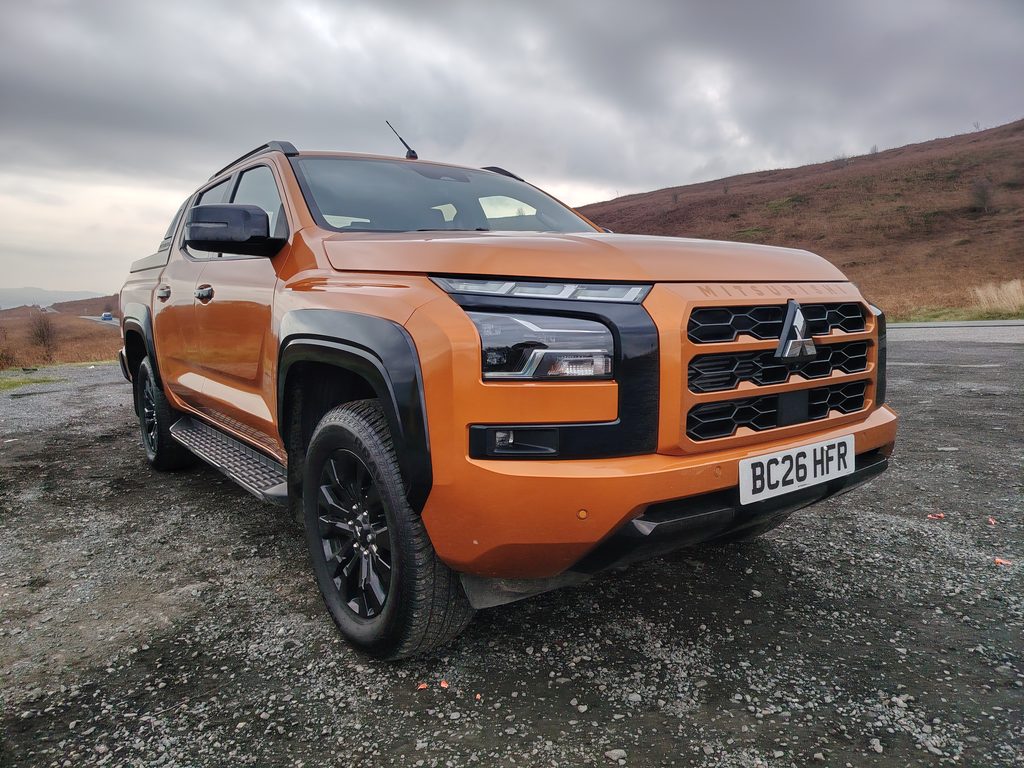
As HMRC’s new take on how double cab pickups should be treated bites, and registrations in the sector freefall as a result, the fact that manufacturers and importers are introducing and re-introducing models to a rapidly shrinking market leaves one wondering what is behind their strategies.
After a shock exit from the UK in 2021, International Motors, the importer behind a number of brands including Isuzu has brought the Mitsubishi badge back to our shores. The seventh-generation of the pickup has a new engine, revised chassis, more technology and a modernised cab. The truck is available in two trim levels, the double cab Titan and Barbarian. There’s also a two seat, tax friendly version on offer, the manufacturer joining others in aiming to mitigate the effect of the taxation changes.
On the Outside
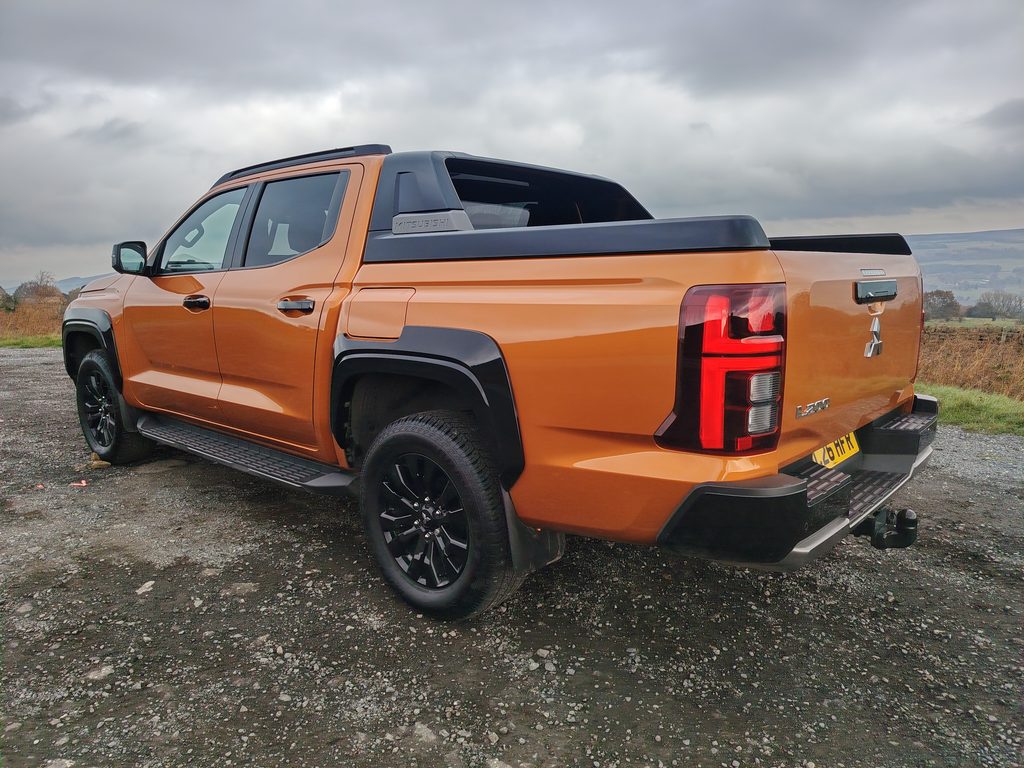
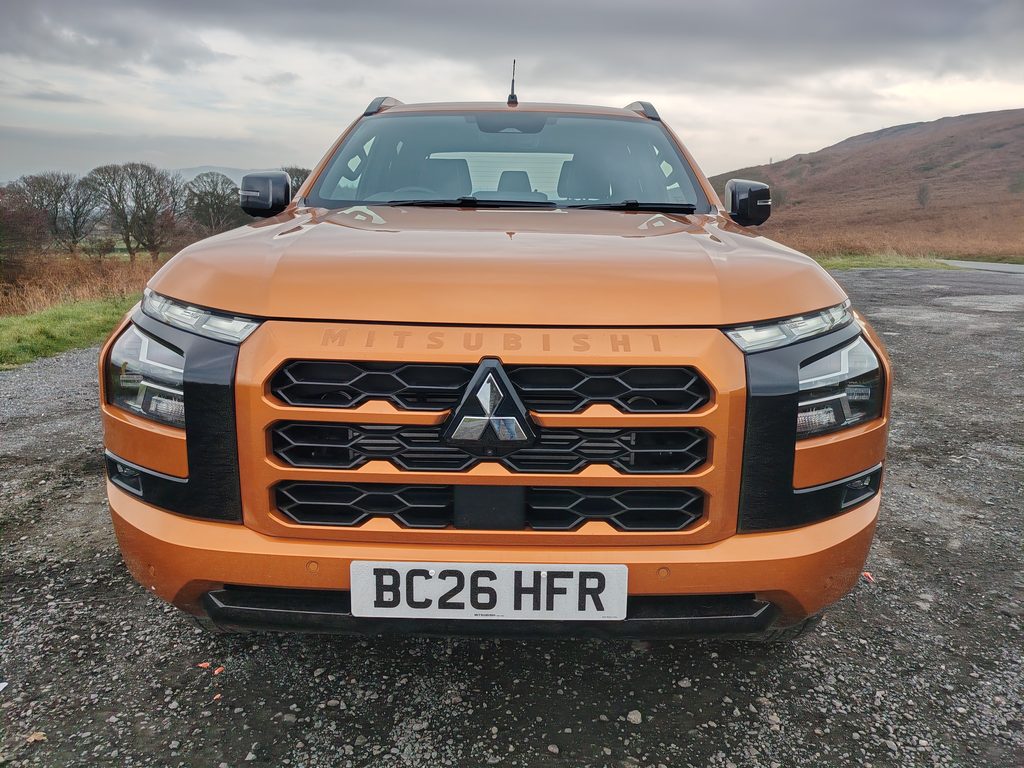
Double cab pickups can look a bit, well, ‘samey’ – the main area that designers can exercise their talent is at the front of the vehicle. Looks are subjective but, personally I like the bold, tall body coloured grille and black contrasting headlamp surrounds on the Barbarian supplied for review. The lights themselves are LED on the Barbarian, and are very effective. The cab is topped with black roof rails.
Drivetrains
Mitsubishi offers just one powertrain across the new L200 range: a 2.4-litre, four-cylinder bi-turbo diesel producing 204PS and 470Nm of torque. It’s a substantial improvement over the previous-generation engine, with peak torque available from just 1,500rpm. That should prove particularly useful when towing or carrying heavy loads, where accessible low-speed pulling power is more important than outright performance. All UK models come with a six-speed automatic transmission and performance is respectable with a 0-62mph time of around 12.6 seconds and a maximum speed of 111mph.
The four-wheel-drive system is governed by the trim level. Titan models use Mitsubishi’s Easy Select system, offering rear-wheel drive, high-range four-wheel drive and low-range four-wheel drive whilst Barbarian gets the more sophisticated Super Select 4WD-II arrangement.
The latter is arguably one of the L200’s biggest selling points. It allows drivers to select rear-wheel drive, full-time four-wheel drive, locked four-wheel drive and low-range four-wheel drive. Unlike many part-time four-wheel-drive pickups, Super Select allows full-time four-wheel drive to be used on normal tarmac, making it particularly useful in wet or slippery conditions.
There are also seven selectable driving modes: Normal, Eco, Gravel, Snow, Mud, Sand and Rock. Hill Descent Control and Hill Start Assist further improve its off-road credentials.
Loadspace and payloads
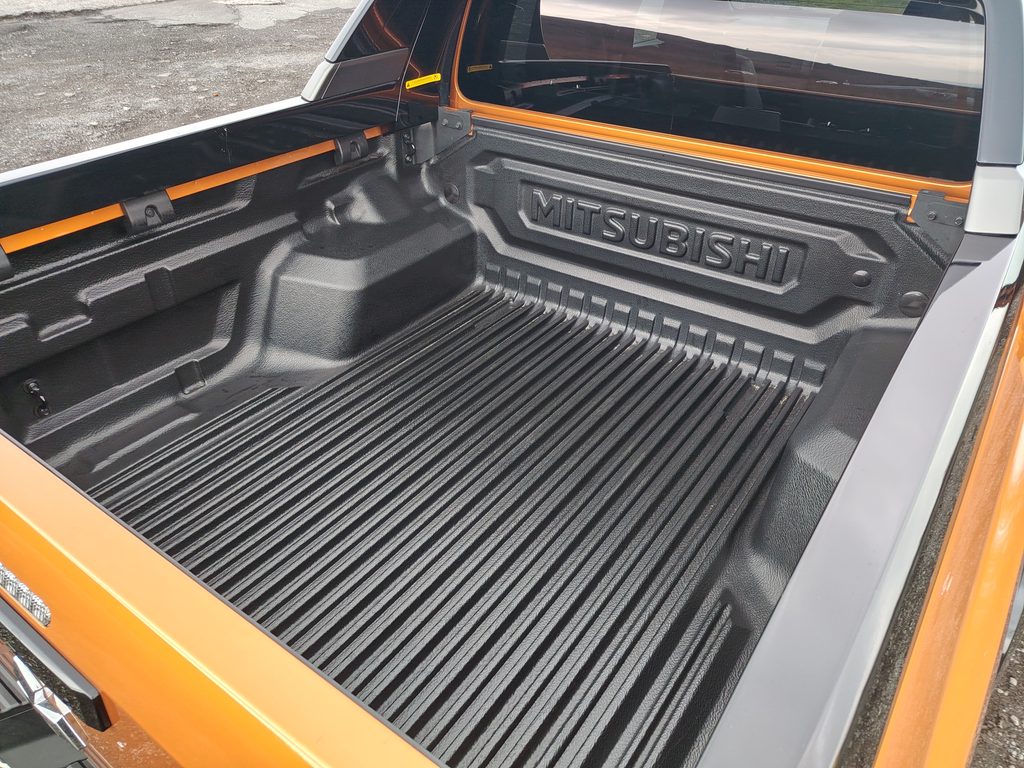
The L200’s pickup bed measures 1,555mm long, 1,545mm wide and 526mm deep. The loading height is approximately 820mm. There’s sufficient width between the wheelarches to accommodate a standard 1200 x 800mm Europallet.
The truck has a payload of just over 1000kgs, making it a commercial vehicle for some (but not all) taxation purposes. The pretty much sector standard towing capacity of 3500kgs is present and correct. There are several load-bed securing points, while the tailgate benefits from an assistance mechanism to make opening and closing easier. The Barbarian also receives a plastic load liner and sports bar.
Cab and specifications
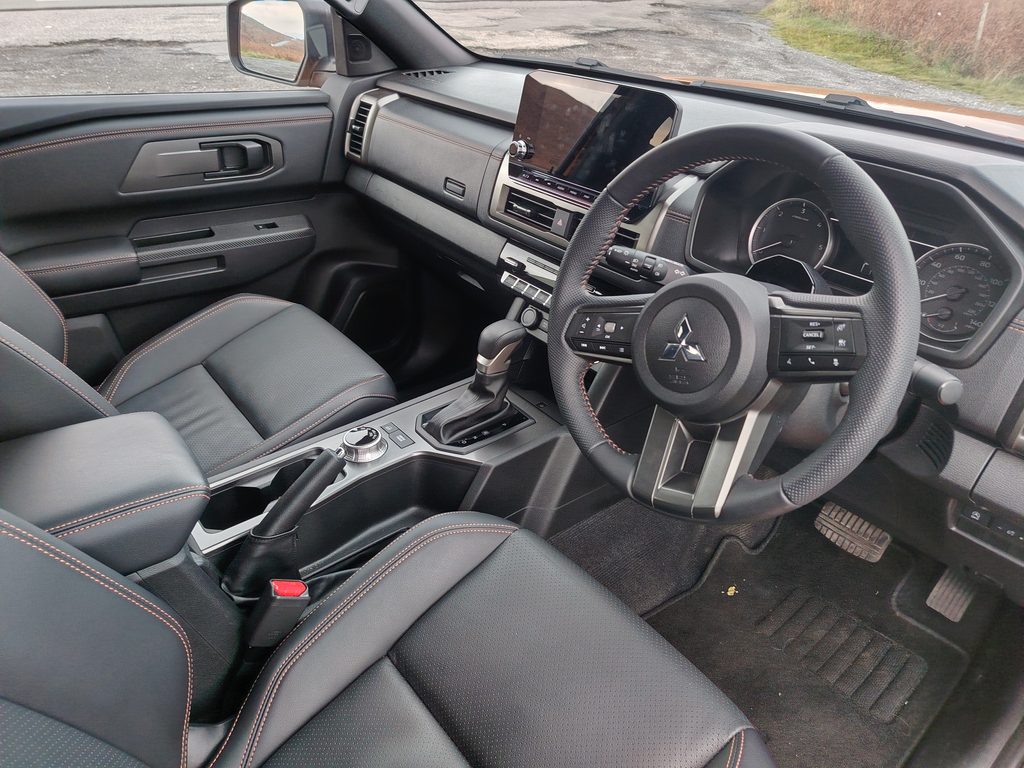
The new L200’s cabin represents a considerable improvement over its predecessor. It’s wider, more modern and better equipped, although Mitsubishi has sensibly resisted the temptation to replace every physical control with a touchscreen.
The dashboard features a nine-inch central infotainment display, providing access to smartphone connectivity, entertainment and vehicle information. Apple CarPlay and Android Auto are included, while a digital multi-information display provides the driver with essential vehicle information.
Importantly, the heating, ventilation and four-wheel-drive controls retain proper physical switches and rotary controls. Although the lack of a distraction is welcome for all, this is particularly useful in a working vehicle, where drivers may be wearing gloves or operating the controls on rough ground.
Titan comes with vinyl flooring, fabric seats, 17-inch alloy wheels, automatic air conditioning, a reversing camera and a comprehensive range of safety equipment. Barbarian adds an upmarket feel more commensurate with an SUV, with leather upholstery, heated front seats, electric adjustment for the driver’s seat, dual-zone climate control, wireless smartphone charging and 18-inch alloy wheels.
On The Road
From a standing start the engine is a little noisy and neighbours will probably know that you’re on the move every morning but, at speed things are much better and quite refined. The automatic transmission, whist not exactly changing seamlessly like the unit fitted to the Ford Ranger does work well, finding the most suitable ratio without too much fuss. The L200 has that traditional pickup driving position providing good visibility and that revised suspension gives improved ride quality, although the familiar pickup tendency to fidget over rough surfaces remains, particularly when the load bed is empty.
Warranty
The L200 comes with a five-year/62,500-mile manufacturer warranty, whichever comes first, together with five years of pan-European breakdown assistance. That mileage restriction seems a little miserly, many users will find that they don’t enjoy that full 5 years and used buyers will be disappointed if they find that their 4 year old purchase has no manufacturers warranty left.
Conclusion
Whilst the L200 has been away, the competition, particularly Ford and Isuzu has upped its game. But, so has Mitsubishi. The truck looks good, performs OK, and is well equipped. For someone in the market for a dual purpose vehicle it’s likely to be on the shopping list, but the strength of a dealer network may be a criteria to consider, and the Mitsubishi may struggle to compete with others in that regard. It’s a very closely fought sector and price alone could easily sway someone into a competitor vehicle.