Remarketing – A look back, and a look ahead…
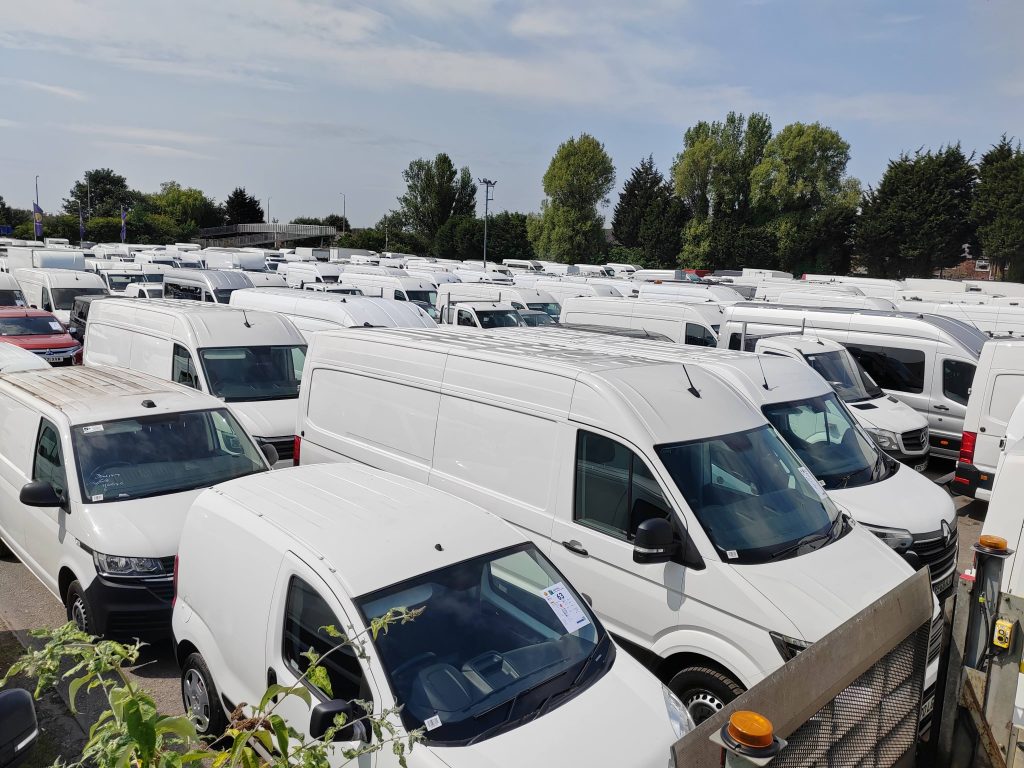
As 2025 closed and we embarked on another, potentially turbulent year in the UK LCV markets, I’ve spoken to some industry figures to get some sentiment and facts on how the end of last year turned out, and also asked what the outlook is for the coming months.
With supply of vehicles into the remarketing sector remaining volatile together with what some would suggest is a ‘dynamic’ level of demand from retail buyers, it’s been an interesting and challenging few months for remarketers and traders alike. Electric vans are starting to appear in increasing numbers but, with the trade often only buying to a specific customer requirement, preferring to opt for the ‘safe’ option of a diesel vehicle, values are yet to level out and vendors often taking some financial pain in order to move the vehicles on.
Geoff Flood, head of LCV at Motor Auction Group highlights how stock constraints have boosted values in the latter half of the year. ‘Since the summer, the used LCV market has remained exceptionally strong, driven largely by a shortage of stock. CAP values had levelled off earlier in the year but have now started to rise again, reflecting just how constrained supply has become. Well-presented, high-spec vans, particularly Grade 1 & 2 vehicles in metallic colours or specialist body types like dropsides are consistently achieving above book because there simply isn’t enough supply to meet demand’. Flood added ‘On the other side, poorer-condition vans, lower grades, or higher-mileage vehicles are much harder to move at value. Presentation has never been more important’.
Noting an improvement in the appetite for electric vans, Flood said ‘They are selling, but only when specification, mileage, and price align with buyer expectations. There’s still hesitation around higher-mileage EVs because of uncertainty over battery life. We’ve now introduced diagnostics to show battery health before sale. Lower-value electric vans are finding buyers, but at higher price points the market is selective.
Also noting how demand is varying across sectors is Andy Picton, specialist residual value analyst and team leader at Glass’s. ‘2025 started with an abundance of stock, but by the second half of the year volumes started to dry up somewhat resulting in a super-strong market for any vehicles with sensible miles and FSH – both van and chassis, with dropsides, tippers and Luton vans performing well. Average selling price continues to rise and is at its highest point during the year along with first time conversions’. But, once again, Picton stressed how condition is all important. ‘There is a lot of older, harder worked, higher mileage vehicles doing the rounds at auction. These are struggling to get much traction unless they are sensibly priced or the buyer has bodyshop facilities and can do the repairs. Some of the older stock is suffering from the semi-conductor issues where vehicles were leaving the production lines with less spec’.
The effect that the low supply of vehicles into the remarketing sector is having is also highlighted by Dionne Hanlon, head of commercial vehicle valuations at cap-hpi. She said ‘A widespread shortage of used LCV stock persists. Major buyers are securing vehicles early for Q1 retail demand, clean, ready to retail vans commanding the best money. Dealers with bodyshops are selectively buying damaged units when reserves are sensible but anything with major mechanical/electrical faults still sticks’. cap-hpi has detected a strengthening demand in higher mileage vehicles, potentially due to the dearth of stock at the normal age / mileage sweet spot. ‘Trade buyers appear to be more willing to purchase higher mileage LCVs (35% of research data is vehicles with 100,000 – 230,000 miles). That’s something we have worked hard on in 2025 adjusting mileage depreciation rates to reflect real world values’ said Hanlon.
Echoing the sentiment made by others is Sam Magee, LCV auctioneer at G3 Vehicle Auctions. ‘Low volume overall in the world of LCV’s saw a big hunger from the buyers needing to own stock for their pitches. We saw a variation of seasonal sales for different shapes and sizes which followed a nice traditional trendline for all. Overall the stabilisation of prices in the sub 10k space saw buyers keen to push their money to that stock especially’ Magee highlighted some models that were proving exceptionally popular. ‘Really hot all year were long and high Volkswagen Crafters. With such rarity in the auction space, we could have sold those 2018 to 2025 models 10 times over, the same to be said for L4 Sprinters and Transits’.
With the publicity surrounding the ‘wet belt’ engine failures on 2.0 litre diesel engines used in Ford product, traders are treading carefully, G3’s Magee has noted. ‘Savvy vendors have started to see the value in handing over concise history details and making sure the wet belt have been replaced on time and to a good standard. Documenting this in the details has seen these vendors really reap the rewards with buyers digging deep into buying them. Full documentation for these more delicate types of engines will be vital for the stock to sell for the gains at auction’.
Alex Wright, managing director at Shoreham Vehicle Auctions also highlights the importance of provenance. ‘Considering the challenges some manufacturers have had with vehicle reliability second hand buyers will continue to look buy reliable used LCVs with full-service histories, and they will continue to pay more for those vans at auction’
Looking Ahead
I asked the contributors to give me their best guess as to how 2026 might look.
G3’s Magee: ‘2026 will continue to in the same trajectory as 2025. Lower volume of stock with good grades, good miles and histories will drive the prices, and trade buyers will have to continue to try and source stock with higher miles and needing work. Although the prices will seem higher than usual for this type of stock there should be some good margins if they have the facilitates to bring to a retail standard’ He added ‘The balance for the year will still be off kilter, I feel for a further 18 months. A skills shortage will see more trades going out on their own I think and retail demand for vans will see further growth for the retail pushing demand a bit higher for the limited stock available’.
SVA’s Wright: ‘Volumes of used LCVs are likely to slowly rise in 2026 but not enough to impact prices. Adoption of used electric LCVs will remain slow, but more operators are set to give them a chance now they are perceived as good value. Overall we are predicting a healthy used LCV market in 2026’.
MAG’s Flood: ‘Looking ahead to 2026, we expect supply to gradually return to more normal levels, which should help stabilise volumes. We haven’t seen a shortage of stock like there is right now, but the expectation is that this will improve through next year. However, demand for high-quality, well-presented vans is likely to remain strong. Anything that is clean, well-maintained, and high-spec will continue to outperform the wider market, and shortages in certain sectors and body types will keep values robust.’
cap-hpi’s Hanlon: ‘There is no information to suggest that there is any significant volume due back into the market for the first half of 2026’ But she added ‘What’s likely to be popular in 2026? Medium diesel vans in good colours/spec with full history. Lifestyle/workhorse pick ups when mileage/condition are right. BEV vans with evidenced range, payload fit, and whole life cost confidence rises with data. What’s likely to struggle? Early generation BEV vans with marginal real world range/payload. However, when these are priced extremely competitively traders seem more willing to take a punt. High ticket halo models unless provenance and condition are impeccable. Mechanically uncertain high milers (wet belt anxiety persists).
Hanlon has some specific ‘watchout’s for the first half of the year. ‘If forced registrations arrive, expect temporary price pressure and a more selective trade. Stock remains tight? Values favour clean, retail ready units over “projects.”’
Glass’s Picton: ‘Looking ahead to the first quarter and possibly for H1 of 2026, I see more of the same with strong prices continuing to be paid for the best stock, especially those with low miles or higher spec and supported with a FSH. Demand for BEVs will continue to grow as more variety appears on the market. Nearly 60,000 more LCVs were registered in 2023 v 2022, so the expectation is that volumes may increase during the second half of the year. However, there seems to be a noticeable change towards running fleets for longer, so maybe that increase won’t happen next year. By and large, I don’t see an immediate change to current patterns and market performance’.
© Tim Cattlin Limited 2026