Farizon V7E Review
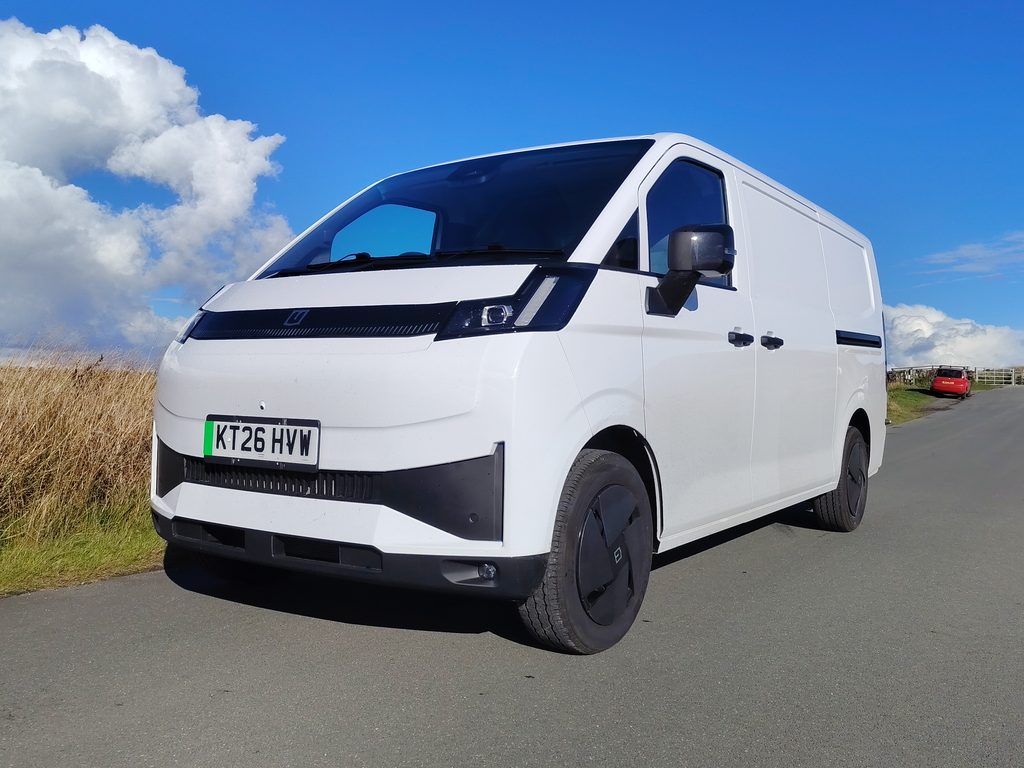
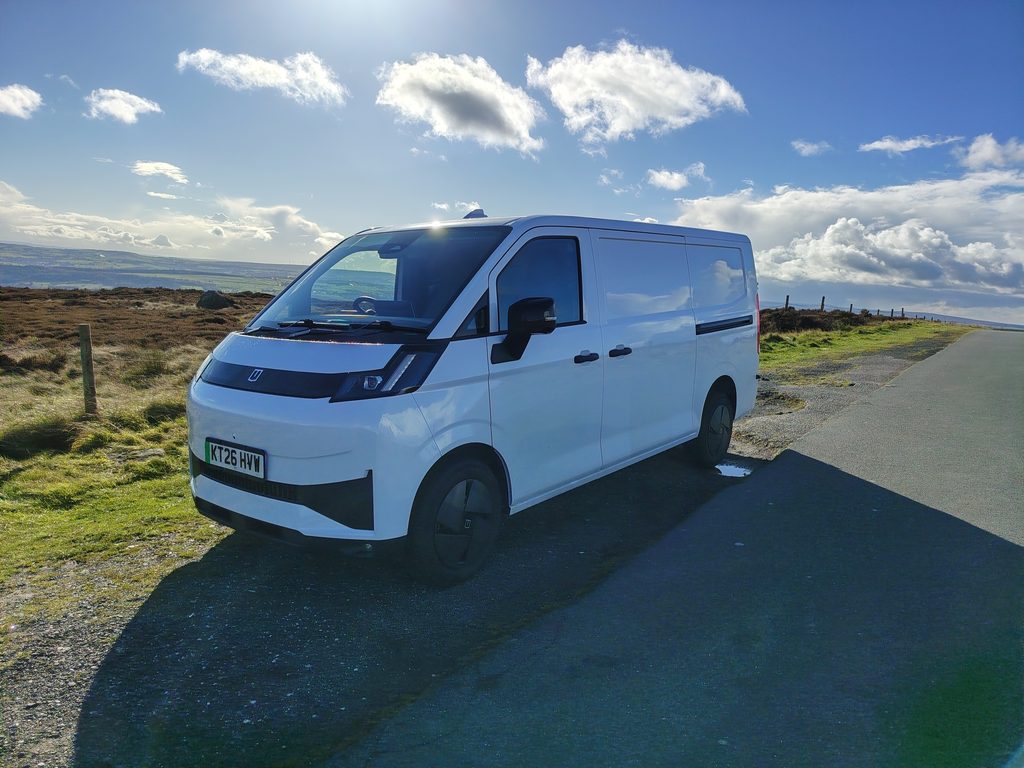
The Chinese invasion isn’t confined to cars, barely a month goes by without another van from the Far East rumoured to be entering the UK scene. Farizon, a brand owned by Geely has bold plans to take a decent share of our electric van market. The first van, the SV is at the heavier larger end of the medium sector, and has received mixed reviews, including from myself. The second to be launched, the V7E sits squarely in the middle of this, possibly the most competitive segment and is up against some very stiff competition.
Drivetrain
The single electric motor produces the equivalent of 147hp and propels the van to a restricted 75mph. Two battery options are available, the 50kWh version offering a WLTP Combined range of 149 miles, whilst the 67kWh option provides up to 204 miles from a full charge. Both allow 100kW DC charging with the manufacturer claiming a 20% to 80% charge in as little as 18 minutes.
Exterior
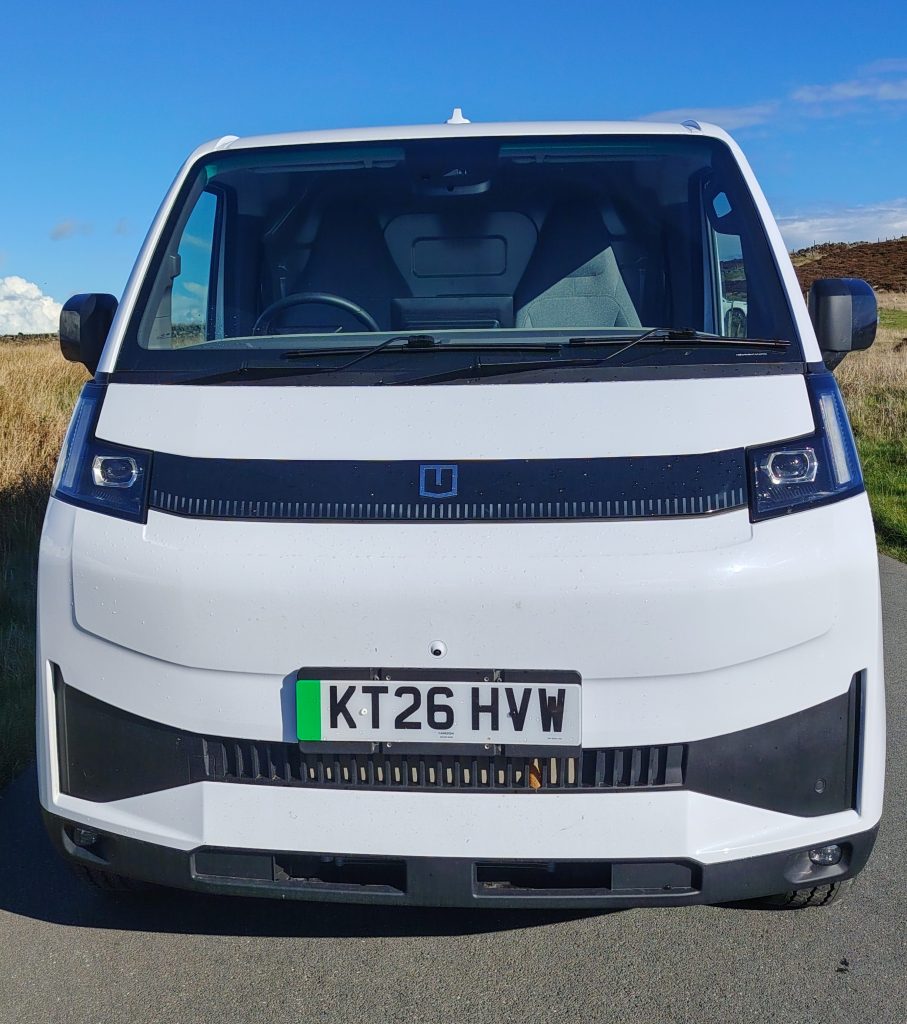
This certainly doesn’t look like a European vehicle, and it could be said that if you removed the badges it could hail from a number of Chinese sources. But, it’s tidy and no-nonsense, even if a little Marmite to some. It’s nice to see the headlights nice and high, far less likely to sustain expensive damage when manoeuvring. But that one piece painted front bumper, although looking smart now is unlikely to stay like that for long and the potential cost of replacement will mean that most bumps and scrapes will probably go unrepaired. The van comes with some full sized wheel trims, again, whether they add to the looks of the van is subjective. The jury is out as far as I’m concerned.
Cab Interior
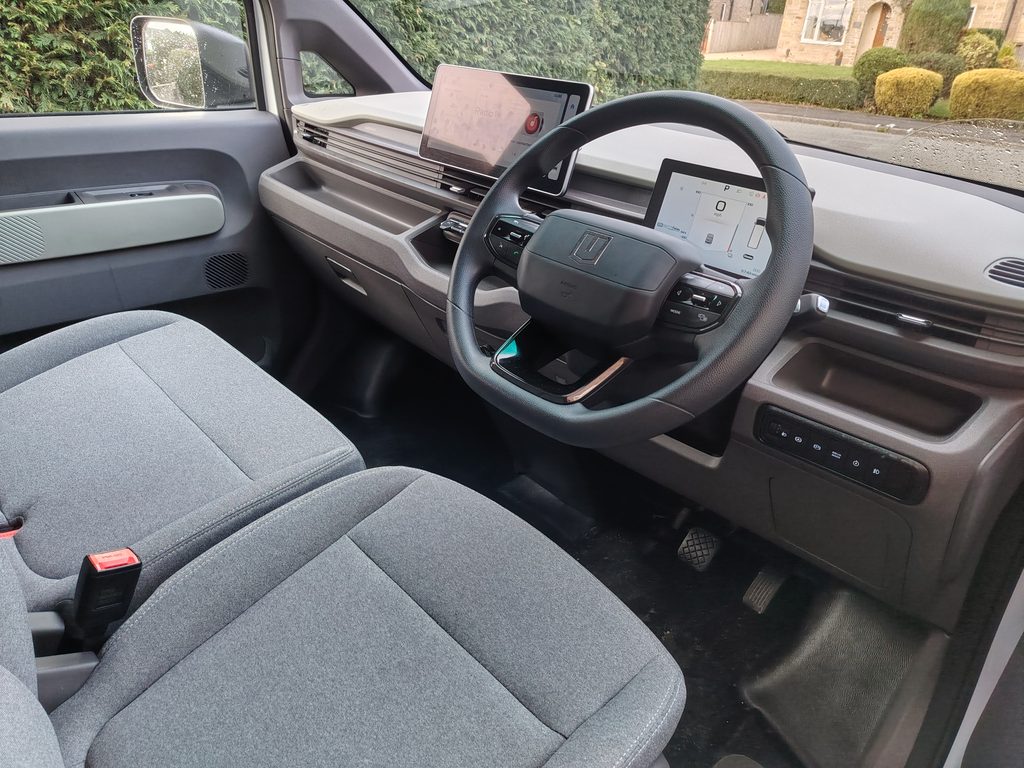
It’s quite airy and roomy, in fact the polar opposite of the Stellantis medium electric vans (ie Vivaro Electric) which is bordering on claustrophobic. One would be forgiven for thinking that it is a three seat cab. It’s not, the single passenger seat wide enough for a drivers mate alongside maybe some parcels, but there’s just the one seat belt. This could cost Farizon some sales, the majority of medium vans providing three seats. There’s a fold down centre armrest with cup holders.
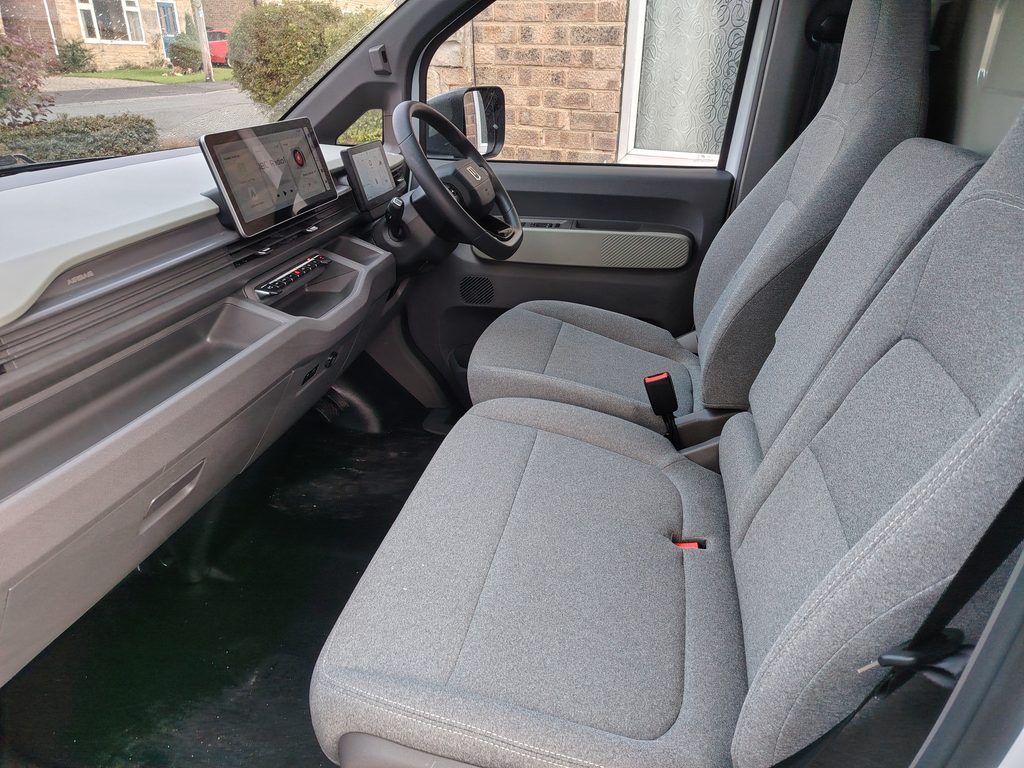
The materials, whilst you wouldn’t describe as cheap, are not premium. The seat coverings are reasonably good looking but how hard wearing remains to be seen. The design of the dash is modern and functional, as ever these days dominated by the multi-media screen. There’s plenty of storage capacity scattered around including under the passenger seat.
Equipment
The van comes with a generous standard equipment list including LED headlights with automatic high-beam control, LED daytime running lights, rain-sensing wipers and electrically adjustable door mirrors. Inside, there’s a 12.3-inch touchscreen infotainment system with Apple CarPlay, Android Auto, Bluetooth and DAB radio, alongside a seven-inch digital instrument display, multifunction steering wheel, air conditioning and a ventilated, six-way adjustable driver’s seat with lumbar support. Keyless entry and starting, a 360-degree surround-view camera, front and rear parking sensors and a comprehensive suite of driver assistance systems are also included.
Loadspace
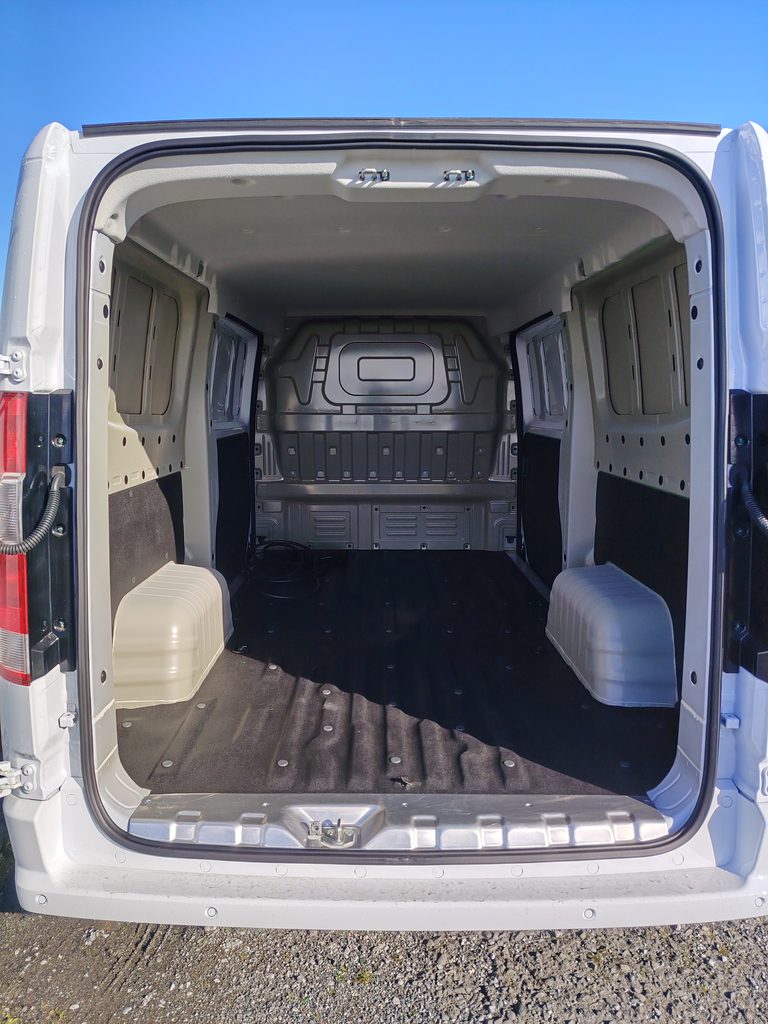
This is a medium van in pretty much every respect. There’s just a single body derivative, a short-wheelbase, low-roof configuration, with a load volume just short of 7 cubic metres.
Payload varies according to battery choice. The 50 kWh version can handle up to 1338 kg, while the bigger 67 kWh battery reduces this figure to 1208 kg. The larger battery is likely to appeal to most buyers looking to maximise driving range, but a payload of around 1.2 tonnes remains competitive for an electric van of this size.
Inside, the load area measures 2.7 metres in length, 1.69 metres across at its widest point above the wheel arches, and 1.43 metres in height. There are twin side loading doors and the twin rear doors open to 270 degrees. However, there is no 90 degree hold point, and when I opened the doors for the first time they blew all the way back and hit the substantial rubber stops on the side of the van very hard. The doors can be pinned back at the 90 degree position but this involves unclipping two small rods and locating them on the body. This really isn’t good enough, unrestrained doors could easily cause an accident.
There’s a hard-wearing loadspace liner and a 220V vehicle-to-load socket for powering tools and other equipment from the van’s battery.
On The Road
The V7E surprised me here. Truth be told, I was a little underwhelmed by the Farizon SV when reviewed earlier this year but this van didn’t disappoint. The driving position is comfortable, visibility is excellent, in fact possibly the best of any medium van.
Performance is very brisk, the torque that is instantly available from the electric motor causing wheelspin on damp (sometimes even dry) roads when accelerating unladen from speeds as high as 25 / 30mph. Naturally, things are very quiet from the drivetrain apart from at low speeds when that artificial drone kicks in, warning pedestrians of the V7E’s presence. Electric drivetrains can highlight other sounds that would have been drowned out by a diesel engine but these were mostly absent in the Farizon, just the windscreen wipers and the air conditioning unit making themselves known. Impressively, the test van had zero knocks, rattles or squeaks, demonstrating that build quality is higher than might have been expected from a Chinese manufactured van.
The V7E handles nicely, is easy to manoeuvre in tight spot and there is no sign of the ‘fly by wire’ lag that the SV suffers from. To the driver, there is no evidence that the van is anything other than conventional in the way the driving controls are attached to the functional parts of the vehicle. Other reviewers have cited a bumpy ride, especially when unladen. Both myself and my passenger didn’t notice this, the van feeling just like any other over rougher surfaces.
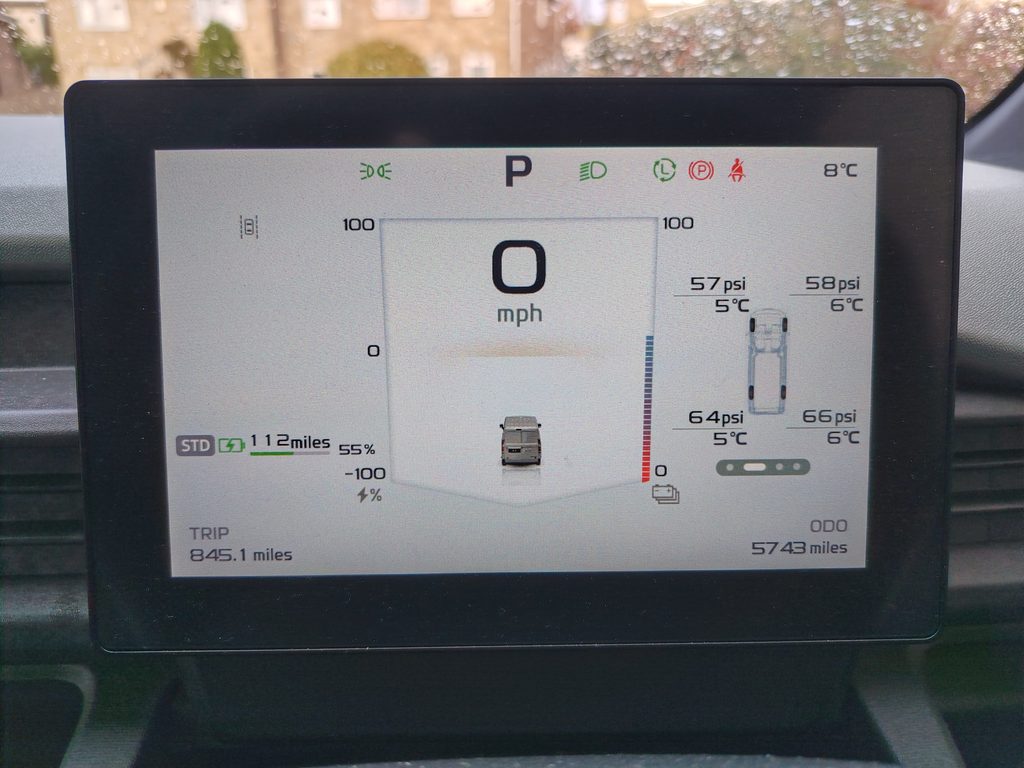
So, what’s not to like? The instrument panel in front of the driver, despite being configurable is poor. Although the digital speed readout is nice and clear, the unit tries to display too much information. There are lots of tiny icons dotted around, the meaning of which wasn’t clear and, well, it’s just messy. It’s similar if not the same as the one fitted to the SV and I described that as being like a cheap, Temu add-on and I’ve not changed my opinion. In addition, when driving at night, the unit did not go into ‘dark mode’ which was very distracting. There may well be a setting to change this, but I couldn’t find one.
I just can’t fathom the ventilation system. Turn the heat on, and you get cooked, despite turning the setting down to what should be a comfortable level. It could be operator error but we spent a lot of time trying to work out what, if anything we were doing wrong but to no avail. However, thankfully Farizon has included mechanical heater controls, resisting the temptation for the cheaper option of including it in the touchscreen.
Regulations mean that all new vehicles have to have a certain number of audible alerts. Farizon has taken this to a new level and the amount of loud pings, bings and bongs is almost intolerable. Some of these may well be able to be silenced, albeit temporarily but competitor vans seem to achieve the legal requirements in a much less intrusive way.
Warranty and Servicing
The V7E comes with a 5 year / 120,000 mile warranty and 4 years AA roadside assistance. Servicing is at 2 year / 25,000 mile intervals.
Conclusion
I really liked this van and I didn’t expect to. Is the V7E a great van? It’ll never be a classic and it’s no Ford E-Transit Custom but, it’s quite competent at what it does and it’s much cheaper. The cab environment is pleasant, its load carrying capability is excellent (apart from the rear door issue), the range from a full charge is good, equipment level is fair and build quality seems OK. It’s well priced, too with a decent warranty.
The V7E’s main challenges will be from some very keen competition. Also from China we have the Ford Transit City, Maxus eDeliver 7 and the Foton Cavan (with more waiting in the wings), all of which are, or are expected to be priced at a similar level to the Farizon, and products the new Kia PV7 and the Renault Trafic E-Tech look like they will shake the sector up more than a little.
Would I buy one? I’d certainly consider it if price was a major factor and the deal stacked up – apart from some relatively minor points this is a van I could live with. It drives well, has a reasonable range and can carry a heavy load. And these things are what are most important to most van buyers and drivers.